What is the best time of year to go trekking on the Nevado de Santa Isabel?
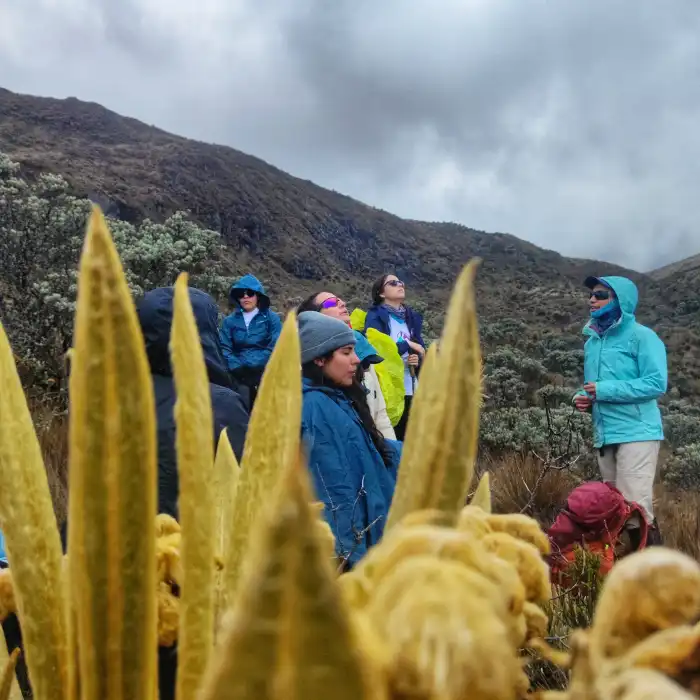
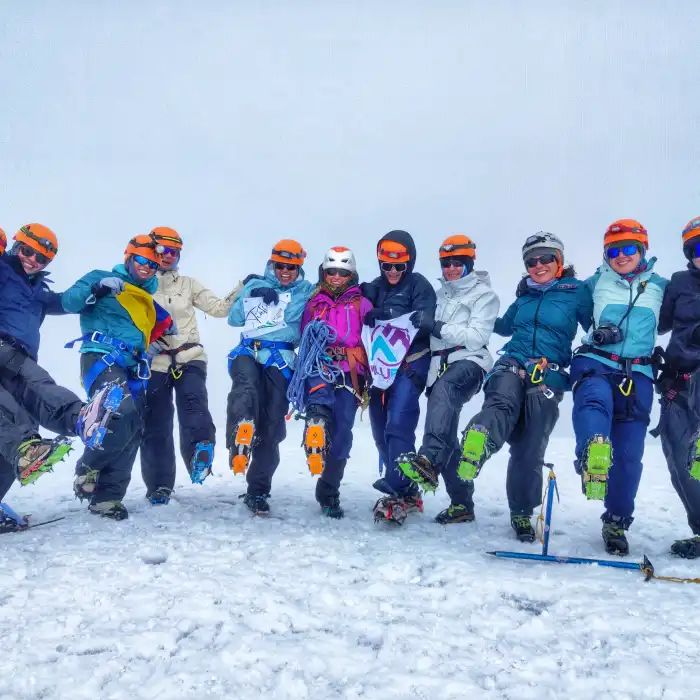
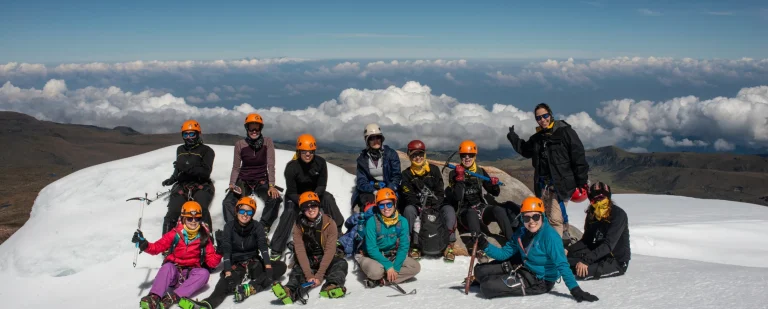
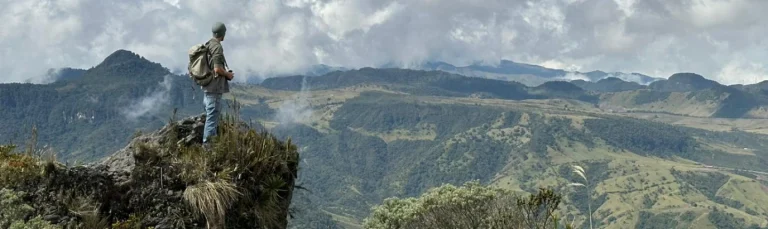
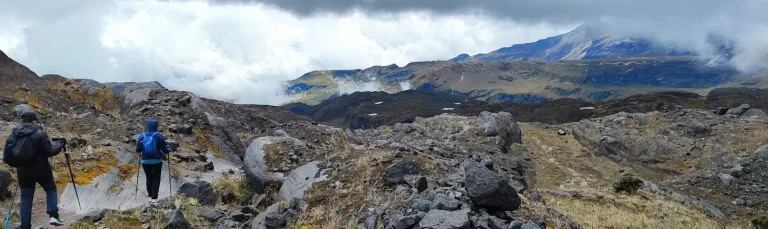
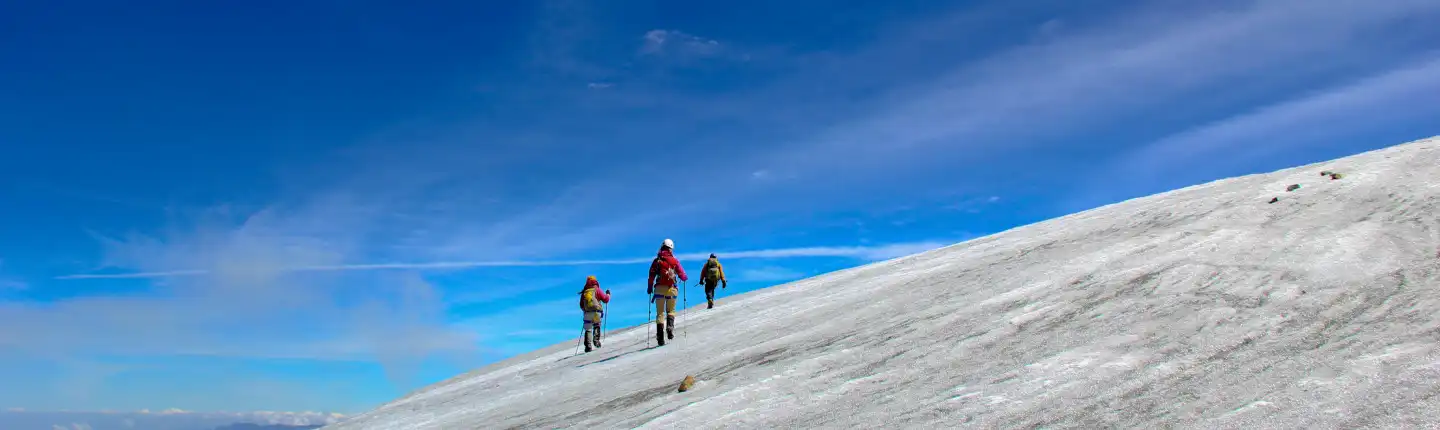
The Nevado de Santa Isabel (≈4,950 masl) is one of the high-mountain summits of the Los Nevados National Natural Park, in the heart of the Coffee Region. It is a glacier-covered volcano with soft domes, home to páramo, super-páramo, and high-Andean lagoons: a perfect setting for trekking, but also a fragile ecosystem whose cryosphere is rapidly shrinking. Before planning, it is worth understanding its Andean climate and its current condition.
The best time to go trekking (and, in general, to visit the high mountains of the Los Nevados NNP) is during the dry season, which in the Colombian Andes usually concentrates around December–February and June–August. During these months, the weather is relatively more stable, cloudiness decreases, and there is less rain, improving visibility, trail conditions, and safety.
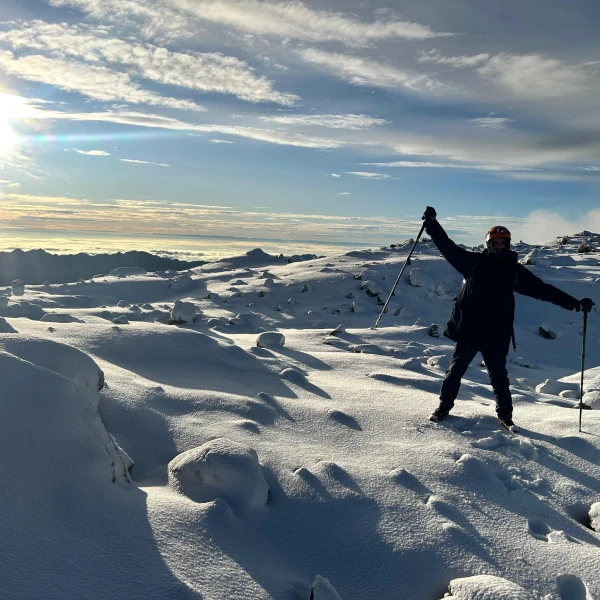
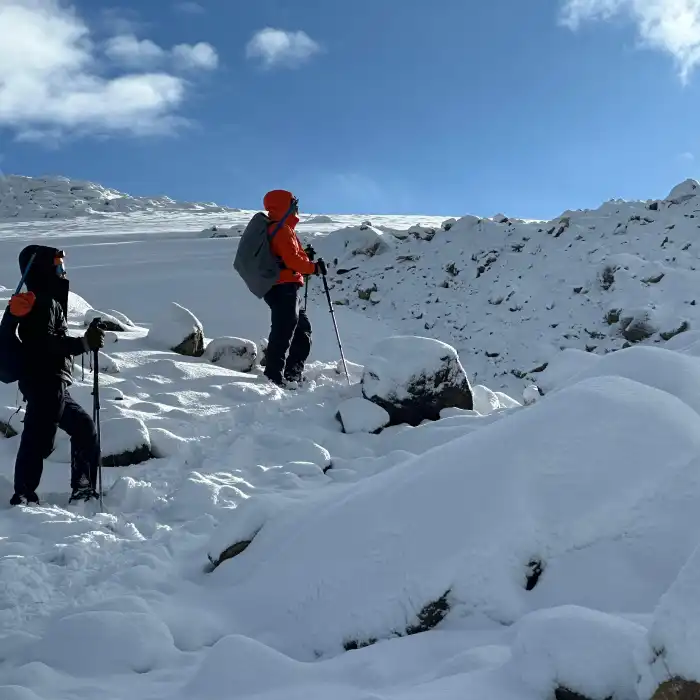
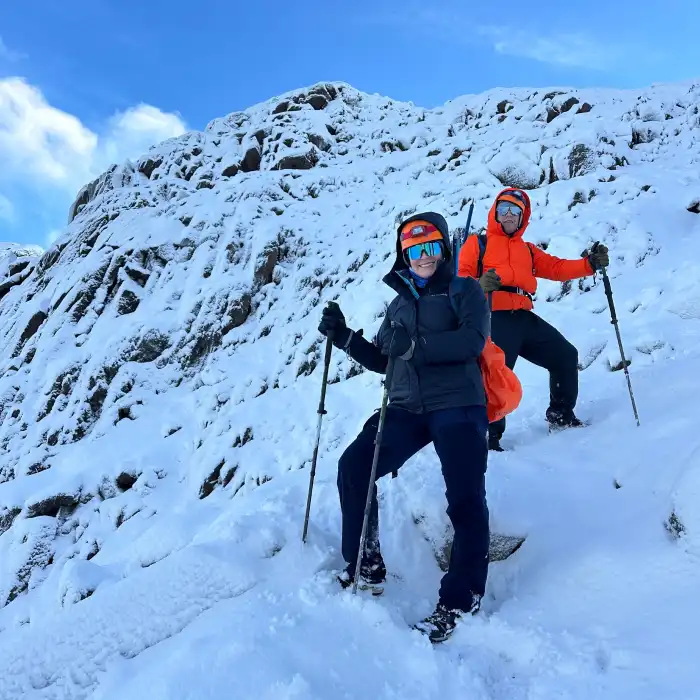
During the rainy season, snowfall is possible. Trekking is possible at any time of year as long as you have proper clothing.
Why choose the dry windows?
Santa Isabel is a volcano with gently undulating summits—also known as Poleka Kasué—located between Caldas, Risaralda, and Tolima; it shares the Ruiz–Tolima Volcanic Complex with the Nevado del Ruiz and Nevado del Tolima.
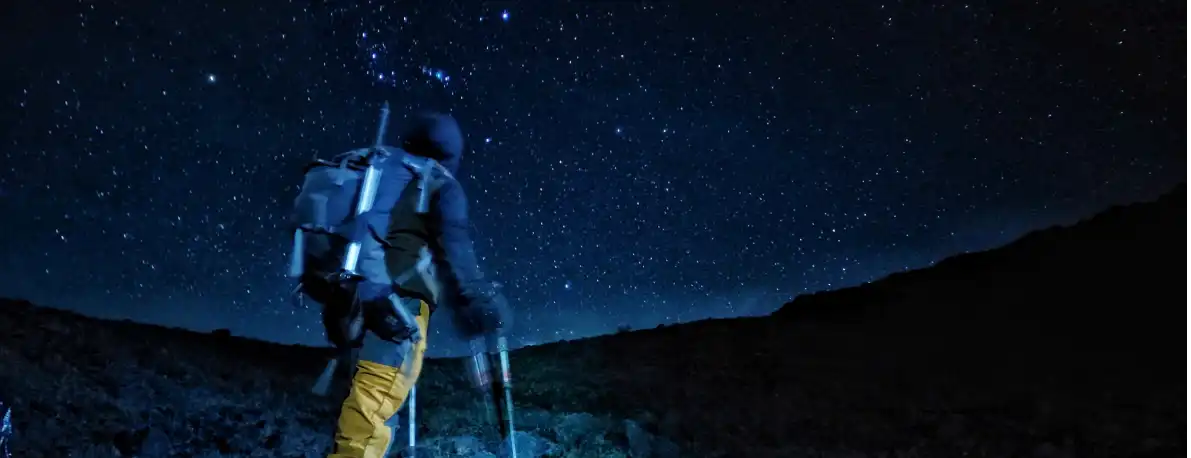
In the dry season, there is less precipitation and more hours of clear skies: early starts reward trekkers with clear panoramas of páramo, lagoons, and glaciated domes. On the other hand, nighttime temperatures drop further, and the wind can be strong on ridgelines and exposed passes; it is recommended to start hikes very early and plan your return before noon. To fine-tune the exact day, check the Santa Isabel (volcano) elevation-based forecast (3,000/4,950 m) and adjust your plan accordingly.
Month-by-month (quick guide)
|
Period |
Typical conditions |
What it means for your trek |
|---|---|---|
|
Dec–Feb (dry) |
Less rain; clearer mornings |
Main window. Firmer trails; cold nights. |
|
Mar–May (rainy) |
More cloudiness and showers |
Mud, changing visibility; requires safety margins. |
|
Jun–Aug (dry) |
Second dry window |
Excellent for panoramas; cold wind at higher altitudes. |
|
Sep–Nov (rainy) |
Peak rainfall |
Heavy trails and occasional closures due to weather. |
Practical tip: even if there are “seasons,” the mountain is micro-climatic. Check summit forecasts for Santa Isabel 24–72 hours before departure.
Glacier condition and conservation
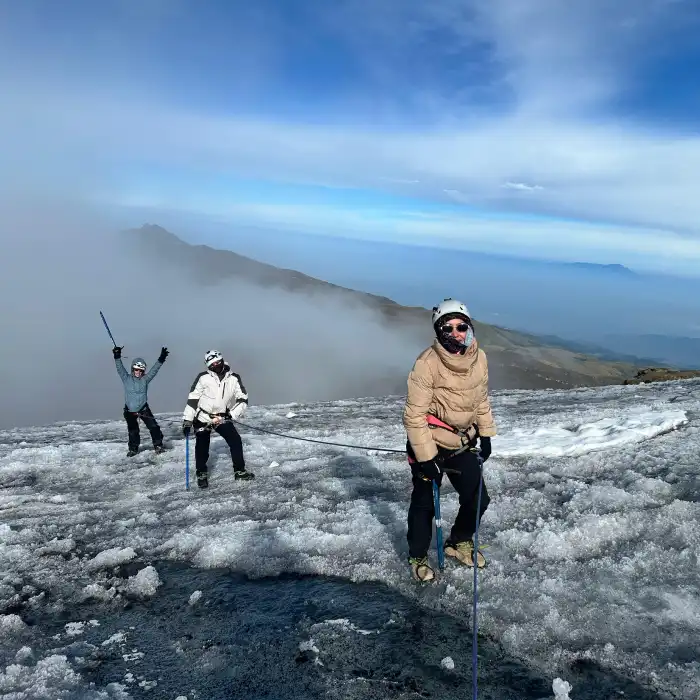
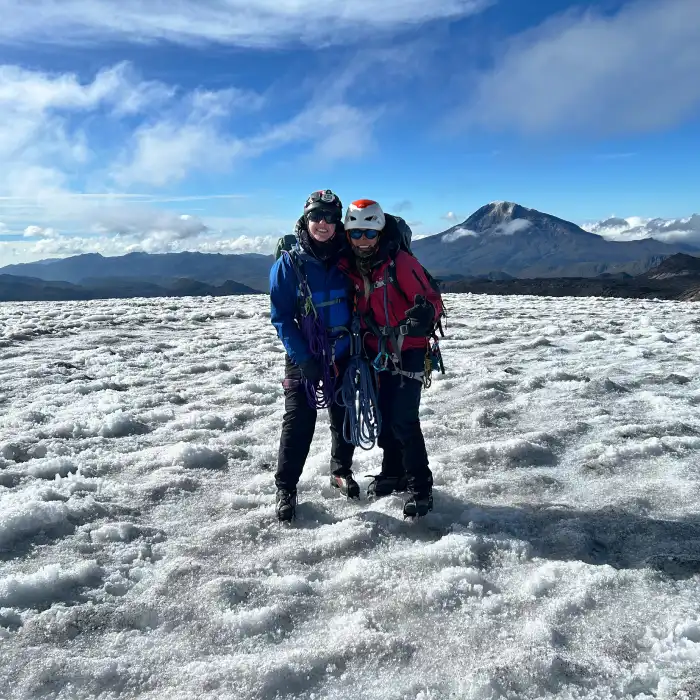
The ice cap of Santa Isabel has undergone a rapid retreat documented by IDEAM and the scientific community; the Conejeras sector, historically used for monitoring, has shown critical losses over recent decades. This context calls for responsible planning: small groups, minimal footprint, and respect for trail closures or detours.
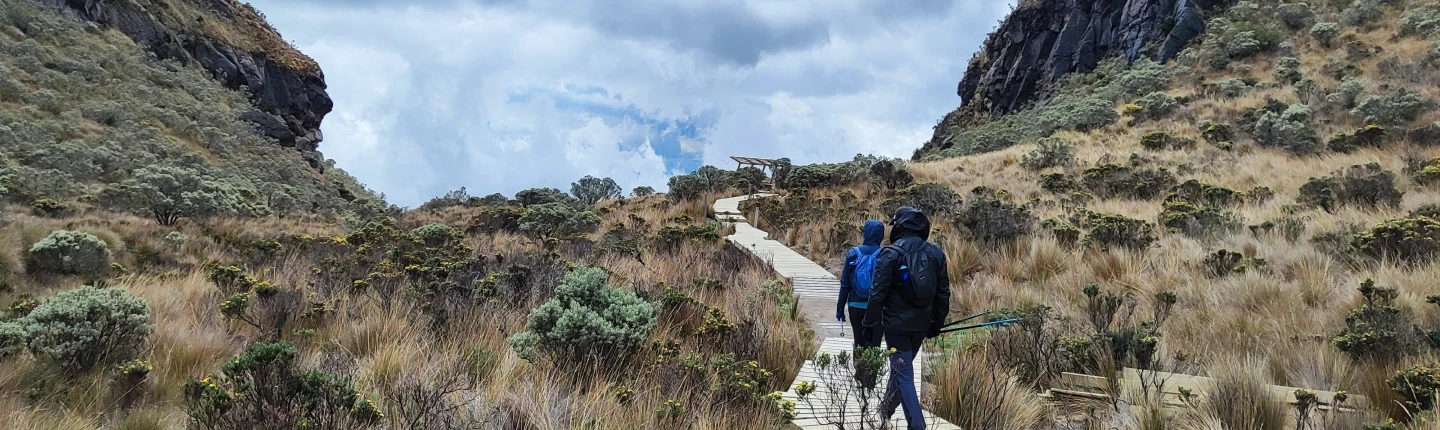
The park has improved stretches such as the Conejeras–glacier edge trail to reduce trampling and erosion; follow official signage and stay on the main route.
Essential logistics for visiting the Nevado
Final route recommendations
Ready to choose your ideal date?
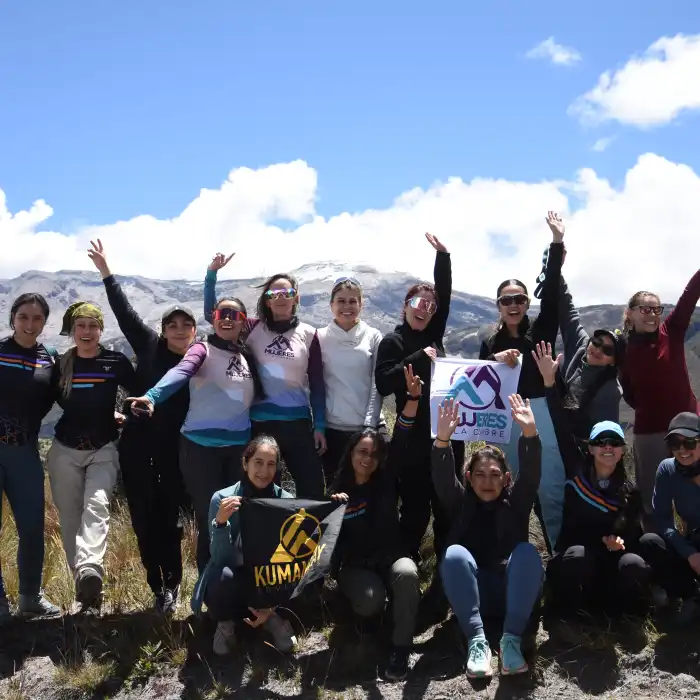
At Kumanday Adventures, we help you plan your trekking experience to the Nevado Santa Isabel with professional guides, a responsible tourism approach, and the itinerary best suited to your chosen weather window. Write to us and we’ll fine-tune your plan.